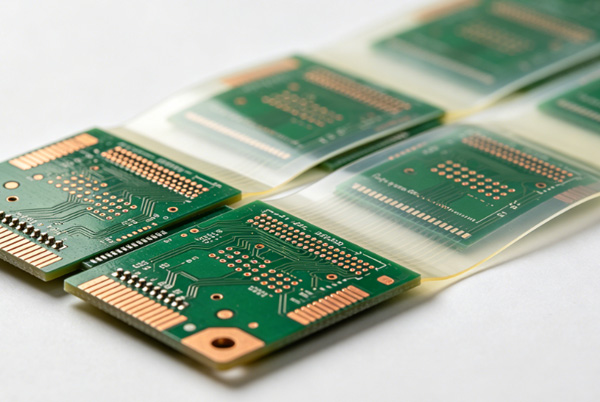
As devices continue shrinking while requiring more functionality, rigid-flex PCBs have become increasingly important for applications including:
- Wearable electronics
- Aerospace systems
- Medical devices
- Automotive electronics
- Industrial control systems
A rigid-flex PCB integrates rigid areas with flexible sections, allowing:
- Three-dimensional packaging
- Reduced interconnects
- Higher reliability under motion or vibration
- Space-saving designs
Selecting the right rigid-flex PCB supplier is critical, as these boards require specialised materials, precise lamination, and engineering-oriented DFM.
TOPFAST provides engineering-focused rigid-flex PCB fabrication, ensuring both high reliability and manufacturability for complex applications.
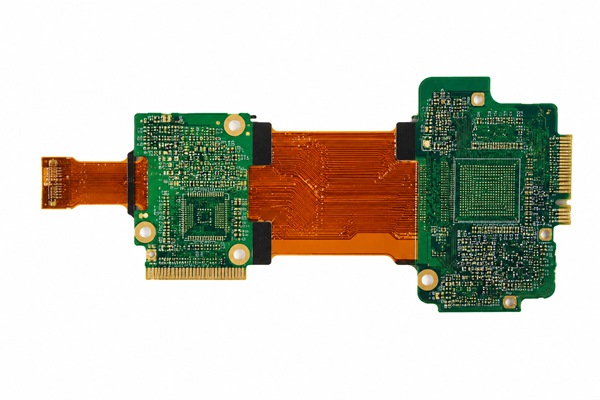
Table of Contents
What Is a Rigid-Flex PCB?
Rigid-flex PCBs consist of:
- Rigid sections: Provide structural support and component mounting areas
- Flexible sections: Allow bending and dynamic movement without additional wiring
These boards typically require:
- Polyimide or flexible substrates
- Controlled copper thickness
- Precise layer-to-layer bonding
Why Rigid-Flex PCB Supplier Selection Matters
Rigid-flex manufacturing challenges include:
- Layer adhesion between rigid and flexible areas
- Flex material handling during lamination and assembly
- Reliability under bending stress
- Complex design rules and stack-ups
A qualified supplier reduces risks by combining fabrication expertise with early-stage engineering consultation.
Key Capabilities of a Rigid-Flex PCB Supplier
1. Layer Lamination Control
Critical for bonding rigid and flexible layers:
- Proper pressure and temperature control
- Reliable adhesive selection
- Avoid delamination under thermal stress
2. Material Expertise
Suppliers must handle:
- Polyimide flexible substrates
- High-Tg rigid cores
- Flexible adhesives for multilayer bonding
Material choice impacts flexibility, reliability, and assembly compatibility.
Internal Link: Multilayer PCB Supplier – Rigid-flex boards often combine multilayer rigid sections with flexible interconnects.
3. Precise Flex Routing
Flexible sections must maintain:
- Correct bend radius
- Trace integrity under repeated movement
- Mechanical support during assembly
4. Reliability Testing
Suppliers should verify:
- Flexural endurance
- Thermal cycling
- Electrical continuity under stress
- Lamination adhesion
Internal Link: PCB Warpage and Reflow Deformation – Rigid-flex boards are sensitive to thermal and mechanical stress during reflow.
5. Engineering Design Support
Strong suppliers provide:
- DFM recommendations for rigid-flex layouts
- Layer stack-up optimization
- Bend area and via placement guidance
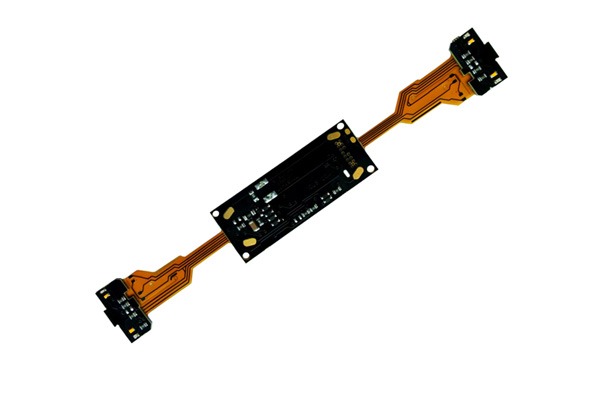
Common Challenges in Rigid-Flex PCB Manufacturing
Delamination Between Rigid and Flexible Sections
Improper lamination may cause separation during reflow or flexing.
Flex Trace Reliability
Thin copper traces in flexible areas are prone to cracking under bending if not properly designed.
Assembly Complications
Rigid-flex boards often require specialised assembly fixtures and handling procedures.
Cost and Lead Time
Complex lamination and specialised materials may increase costs and lead times.
How-To: Choose a Rigid-Flex PCB Supplier
- Step 1: Verify Fabrication Experience
Check if the supplier has:
. Multilayer rigid-flex capability
. Polyimide material expertise
. Proven manufacturing examples - Step 2: Evaluate Design Support
Ask about:
. Stack-up recommendations
. Flex routing and bend radius guidance
. Component placement strategies - Step 3: Review Quality Systems
Ensure the supplier performs:
. Flexural testing
. Thermal cycle reliability
. Electrical testing
. Lamination traceability - Step 4: Prototype Before Full Production
. Build small batches for functional testing
. Evaluate bend durability and assembly handling
. Adjust design based on feedback - Step 5: Plan for Scale
Check the supplier’s:
. Production capacity
. Long-term material sourcing
. Engineering support for larger orders
Internal Link: Startup PCB Supplier – Small pilot batches are crucial before scaling.
Request Rigid-Flex PCB Manufacturing Support from TOPFAST – Engineering-focused solutions for complex electronics.
Rigid-Flex vs Traditional PCB
| Feature | Traditional PCB | Rigid-Flex PCB |
|---|---|---|
| Bending capability | None | Flexible sections |
| 3D packaging | Limited | Excellent |
| Reliability under vibration | Moderate | High |
| Design complexity | Lower | Higher |
| Cost | Lower | Higher |
Best Practices for Rigid-Flex PCB Design
- Optimise bend radii and avoid sharp corners
- Minimise stress on copper traces in flexible areas
- Balance rigid layer stack-ups for stability
- Collaborate with the supplier early on DFM
- Perform prototype validation under real-world conditions
Frequently Asked Questions (FAQ)
A supplier capable of fabricating boards combining rigid and flexible circuit sections.
It enables compact, 3D layouts, reduces interconnects, and improves reliability in dynamic applications.
Medical devices, aerospace, automotive electronics, wearables, and industrial controls.
Flexural endurance, thermal cycling, and lamination adhesion tests are critical.
Yes, with proper design, prototyping, and supplier capabilities.
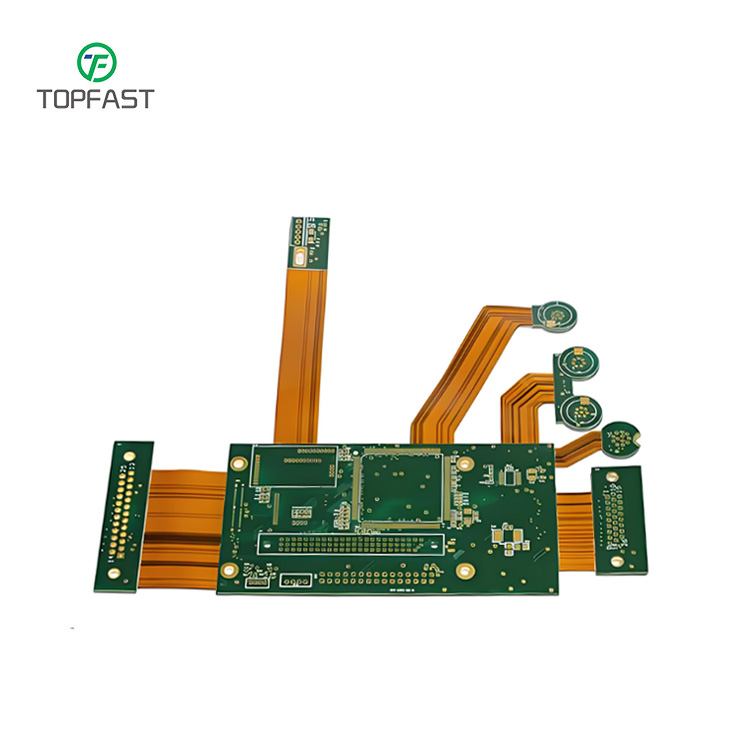
Conclusion
Rigid-flex PCB manufacturing requires advanced materials, precise lamination, and engineering support for both design and assembly.
Choosing the right rigid-flex PCB supplier depends on:
- Lamination control
- Flex and rigid material expertise
- Design support for bend areas
- Reliability testing
- Scalable production capability
By collaborating with experienced suppliers like TOPFAST, teams can achieve high reliability and efficient production of compact, complex electronic systems.
Start Your Rigid-Flex PCB Project with TOPFAST – Flexible and reliable fabrication solutions.
 EN
EN  PT
PT  AR
AR  DE
DE  FR
FR  ES
ES