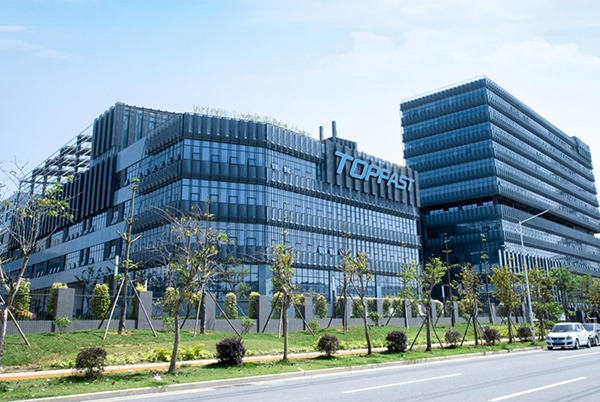
Successful PCBA projects rely on more than technical capability—they depend on trust, communication, and continuous improvement with your supplier. A strong long-term relationship ensures:
- Consistent quality across production cycles
- Timely delivery of prototypes and production runs
- Efficient problem resolution
- Improved cost efficiency over time
TOPFAST emphasizes collaboration and structured engagement to help clients achieve these benefits.
Table of Contents
1. Establish Clear Communication Channels
- Assign primary points of contact on both sides
- Use structured reporting (production status, BOM changes, QA issues)
- Schedule regular project review meetings
Internal Link: How to Evaluate a PCB Assembly Supplier – Clear communication is part of supplier evaluation.
2. Define Quality Expectations Early
- Agree on inspection criteria (IPC Class 2 or 3)
- Document functional and reliability testing requirements
- Specify traceability and documentation standards
Related: Automotive PCBA Supplier – High-reliability projects require strict quality agreements.
3. Implement Process Improvement Together
- Share production feedback for continuous improvement
- Collaborate on yield optimization
- Monitor defect trends and address root causes
Internal Link: Stencil Design Optimization for SMT Yield – A concrete area to improve together.
4. Align on Long-Term Planning
- Forecast volumes and BOM changes
- Discuss material availability and lead times
- Schedule maintenance and calibration to avoid production delays
Related: High Mix Low Volume PCBA Supplier – Planning is critical for flexible projects.
5. Trust and Transparency
- Share production challenges openly
- Discuss cost changes or supply chain issues proactively
- Maintain clear documentation for mutual accountability
TOPFAST maintains transparent communication, providing clients with clear visibility into every stage of PCBA production.
How-To: Practical Steps for Engineers and Procurement
- Step 1: Identify Strategic Suppliers
Choose suppliers with complementary capabilities and long-term vision
- Step 2: Define Collaboration Agreements
Quality standards, delivery expectations, and escalation paths
- Step 3: Monitor Performance Metrics
Yield rates, defect frequency, on-time delivery
Regular audits or reviews - Step 4: Feedback Loop
Regularly share engineering and procurement feedback
Adjust processes collaboratively - Step 5: Recognize and Reward Reliability
Volume allocation for reliable suppliers
Long-term contracts or preferred partner status
Start Your Long-Term PCBA Partnership with TOPFAST – Collaborate for quality and reliability.
Benefits of a Long-Term PCBA Relationship
- Predictable quality and delivery
- Lower risk of component substitution errors
- Improved engineering support and process optimization
- Cost efficiency over multiple production cycles
Common Pitfalls to Avoid
- Treating suppliers as transactional vendors
- Ignoring supplier feedback or expertise
- Lack of formal communication processes
- Skipping regular performance reviews
Frequently Asked Questions (FAQ)
It reduces risk, improves quality, and allows continuous process improvement over time.
At least quarterly, with more frequent updates during new project launches.
Early communication allows planning for alternative production slots or multi-supplier strategies.
Yes, through process optimization, yield improvement, and predictable procurement.
By tracking defect rates, on-time delivery, and responsiveness to issues.
Conclusion
Long-term relationships with PCBA suppliers provide significant advantages in quality, reliability, and cost efficiency. Success relies on:
- Clear communication
- Defined quality and testing standards
- Collaborative process improvement
- Trust and transparency
Suppliers like TOPFAST prioritize structured collaboration, enabling clients to scale production confidently while maintaining high standards.
Engage TOPFAST for a Long-Term PCBA Partnership – Optimize your production reliability and quality.
 EN
EN  PT
PT  AR
AR  DE
DE  FR
FR  ES
ES