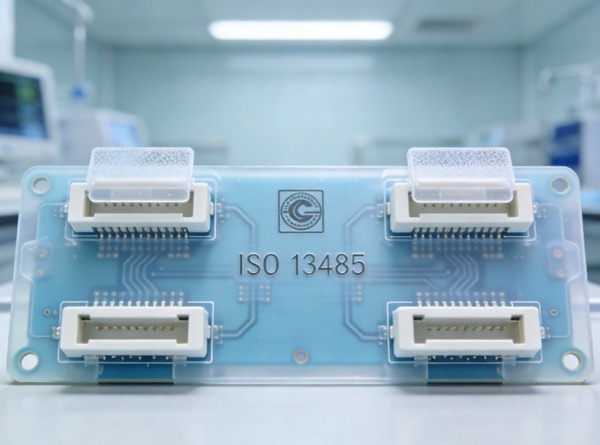
Medical PCB assembly requires the highest level of reliability, quality control, and traceability in the electronics industry.
Even minor failures can have serious consequences in healthcare applications.
In this guide, TOPFAST, a professional PCB manufacturer, explains medical PCB assembly requirements, industry standards, manufacturing processes, and best practices for producing reliable medical PCBA.
Table of Contents
What Is Medical PCB Assembly?
Medical PCB assembly refers to PCB assembly services specifically designed for medical and healthcare devices, where safety, accuracy, and long-term reliability are critical.
Medical PCBA differs from standard PCB assembly in:
- Quality system requirements
- Process control
- Documentation and traceability
- Testing depth
Industry overview:
Industry-Specific PCB Assembly
Medical PCB Assembly Standards & Certifications
ISO 13485
ISO 13485 is the primary quality management standard for medical devices.
It focuses on:
- Risk management
- Process consistency
- Traceability
- Regulatory compliance
Manufacturers without ISO 13485 may not be suitable for medical applications.
IPC Standards
Common IPC standards used in medical PCBA:
- IPC-A-610 (Class 2 / Class 3)
- IPC-7711/7721 (Rework & Repair)
Medical devices often require Class 3 workmanship.
Typical Applications of Medical PCB Assembly
Medical PCBA is widely used in:
- Patient monitoring equipment
- Diagnostic devices
- Imaging systems
- Surgical equipment
- Wearable medical devices
Most applications prioritize reliability over cost.
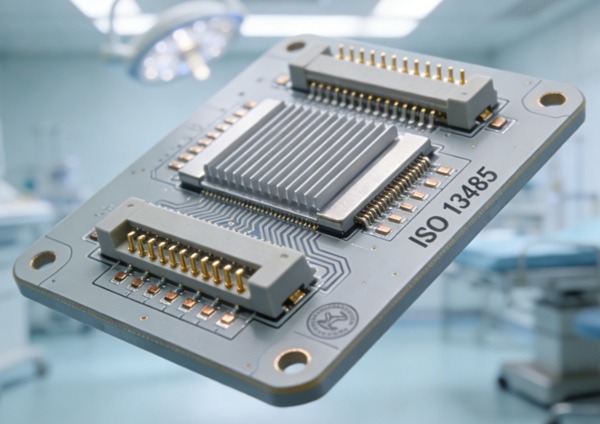
Medical PCB Assembly Process
1. Design Review & Risk Assessment
Key focus areas:
- DFM / DFA analysis
- Component lifecycle verification
- Risk identification (failure points)
File preparation:
PCB Assembly File Requirements Explained
2. PCB Fabrication for Medical Devices
Medical PCBs often require:
- High-quality FR4 or specialized materials
- Controlled impedance
- ENIG or medical-grade surface finishes
Manufacturing context:
PCB Manufacturing vs PCB Assembly
3. Component Sourcing & Traceability
Medical PCBA requires:
- Authorized component distributors
- Lot-level traceability
- Long-term availability planning
Substitutions must be approved and documented.
4. SMT & THT Assembly
Assembly process features:
- Automated SMT placement
- Selective THT soldering
- Controlled solder profiles
- Strict ESD protection
Assembly methods:
SMT vs THT PCB Assembly
5. Inspection & Testing
Medical PCB assembly includes:
- AOI inspection
- X-ray inspection (for BGA / QFN)
- Functional testing
- Optional burn-in testing
Testing overview:
PCBA Testing Methods Explained
Quality Control in Medical PCB Assembly
Quality control measures include:
- Incoming material inspection
- In-process quality checks
- Final inspection and documentation
- Traceability records retention
Every step must be auditable.
Medical PCB Assembly Volume Types
Medical PCBA commonly involves:
- Prototype PCB assembly
- Low volume PCB assembly
- High mix low volume PCB assembly
👉 Production models:
Common Challenges in Medical PCB Assembly
- Component obsolescence
- Regulatory documentation
- Long product lifecycles
- Strict change control requirements
Experienced manufacturers mitigate these risks.
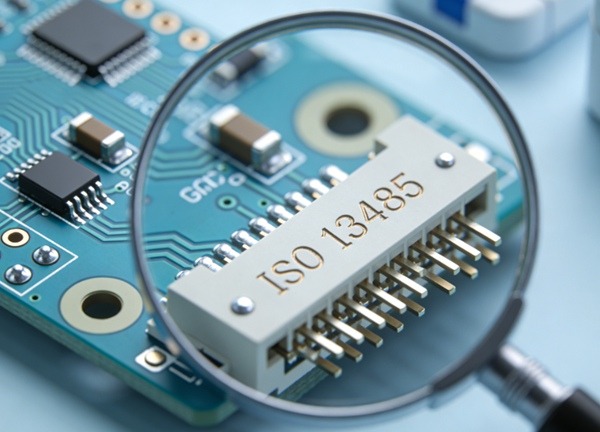
Best Practices for Medical PCB Assembly
- Choose ISO 13485-certified manufacturers
- Lock BOM and component sources early
- Define testing and traceability requirements
- Plan long-term component supply
Service approach:
What Is Turnkey PCB Assembly and How It Works
Why Choose TOPFAST for Medical PCB Assembly?
As a professional PCB manufacturer, TOPFAST provides:
- ISO-aligned quality systems
- Advanced SMT & THT assembly
- Full component traceability
- Customized medical testing solutions
- Stable long-term manufacturing support
TOPFAST understands that medical PCB assembly is about trust, not speed alone.
Conclusion
Medical PCB assembly demands the highest standards of quality, reliability, and traceability.
From design review and component sourcing to testing and documentation, every step must follow strict processes to ensure patient safety and regulatory compliance.
By partnering with TOPFAST, a professional PCB manufacturer, customers gain a reliable medical PCBA partner capable of supporting prototype, low-volume, and high-mix medical PCB assembly, ensuring long-term product success in the healthcare industry.
Medical PCB Assembly FAQ
A: Most regulated medical devices do. It is strongly recommended.
A: Yes, due to testing, documentation, and quality requirements.
A: Yes, with a fast-turn prototype PCBA while maintaining quality control.
A: Yes, with proper planning during prototype and low-volume stages.
 EN
EN  PT
PT  AR
AR  DE
DE  FR
FR  ES
ES