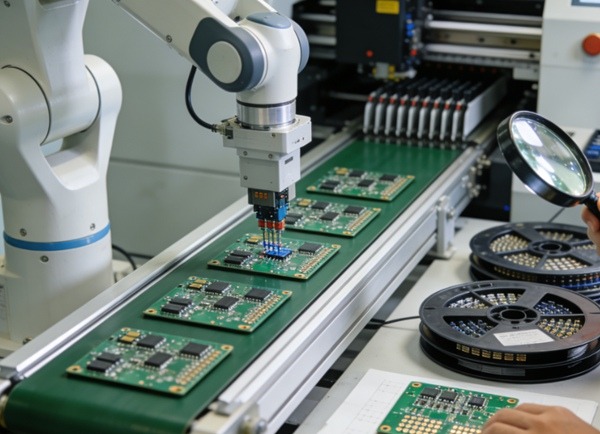
Choosing the right PCB assembly manufacturer is a critical decision that directly affects product quality, cost, reliability, and time to market.
In this guide, TOPFAST, a professional PCB manufacturer, explains how to evaluate and select a PCB assembly partner, using clear criteria, real-world considerations, and a practical step-by-step approach.
Table of Contents
Why Choosing the Right PCB Assembly Manufacturer Matters
A PCB assembly manufacturer is not just a supplier — they are a manufacturing partner.
The wrong choice can lead to:
- Quality failures
- Missed deadlines
- Cost overruns
- Redesign and rework
The right partner supports you from prototype to production.
Production stages overview:
Prototype PCB Assembly
Low Volume PCB Assembly
Key Factors to Consider When Choosing a PCB Assembly Manufacturer
1. Manufacturing Capabilities
Check whether the manufacturer supports:
- SMT & THT assembly
- BGA, QFN, fine-pitch components
- Prototype, low volume, and production
- Testing and inspection services
Assembly technologies:
SMT vs THT PCB Assembly
2. Quality Standards & Certifications
Reliable manufacturers follow recognized standards:
- ISO 9001
- ISO 13485 (medical)
- IATF 16949 (automotive)
- IPC-A-610 Class 2 / Class 3
Industry requirements:
Industry-Specific PCB Assembly
Experience in Your Industry
Industry experience matters because requirements vary widely:
- Medical: traceability & compliance
- Industrial: durability & lifecycle
- Automotive: safety & reliability
Industry examples:
Medical PCB Assembly
Industrial PCB Assembly
Automotive PCB Assembly
4. Component Sourcing Capability
Evaluate whether the manufacturer can:
- Source from authorized distributors
- Manage shortages and alternatives
- Support turnkey PCB assembly
Service model:
What Is Turnkey PCB Assembly and How It Works
5. Testing & Quality Control
Testing capabilities may include:
- AOI inspection
- X-ray inspection
- Functional testing
- Burn-in testing
Testing overview:
PCBA Testing Methods Explained
6. Cost Transparency
Low price does not always mean low cost.
Look for:
- Clear quotation breakdown
- No hidden setup fees
- Honest cost vs reliability trade-offs
Cost reference:
PCB Assembly Cost Explained
7. Lead Time & Delivery Reliability
Reliable manufacturers provide:
- Realistic lead times
- Fast-turn options
- On-time delivery history
Timing reference:
PCB Assembly Lead Time Explained
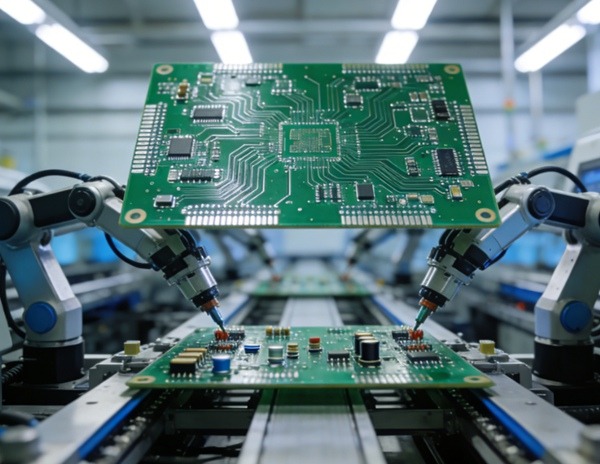
How to Choose a PCB Assembly Manufacturer?
- Step 1: Define Your Project Requirements
Clarify:
Quantity (prototype, low volume, production)
Industry requirements
Testing level
Delivery timeline - Step 2: Prepare Complete Assembly Files
Ensure you have:
Gerber files
BOM
Pick-and-place files
Assembly notes
File checklist:
PCB Assembly File Requirements Explained - Step 3: Shortlist Qualified Manufacturers
Filter manufacturers by:
Technical capability
Industry experience
Certifications
Communication responsiveness - Step 4: Compare Quotes Beyond Price
Evaluate:
Component sourcing strategy
Testing included
Engineering support
Risk management approach - Step 5: Start with a Prototype or Pilot Run
Test the manufacturer with:
Prototype PCB assembly
Low-volume PCB assembly
Production models:
Prototype PCB Assembly
Low Volume PCB Assembly - Step 6: Assess Long-Term Partnership Potential
Ask:
Can they scale to production?
Do they support long-term supply?
How do they handle changes?
A good PCB assembly manufacturer grows with your product.
Common Mistakes When Choosing a PCB Assembly Manufacturer
- Choosing based on price only
- Ignoring industry experience
- Overlooking testing capabilities
- Not planning for scaling
Avoiding these mistakes saves time and cost.
Why Choose TOPFAST as Your PCB Assembly Manufacturer?
As a professional PCB manufacturer, TOPFAST offers:
- Full SMT & THT assembly services
- Prototype, low volume, and production support
- Industry-specific PCBA expertise
- Strong component sourcing network
- Transparent cost and lead time control
TOPFAST focuses on long-term manufacturing partnerships, not one-time orders.
PCB Assembly Manufacturer FAQ
A: Usually, 2–3 qualified suppliers are sufficient.
A: For most projects, yes. It simplifies sourcing and reduces risk.
A: Yes. Prototypes validate both the design and the manufacturer.
A: Experienced manufacturers can scale with proper planning.
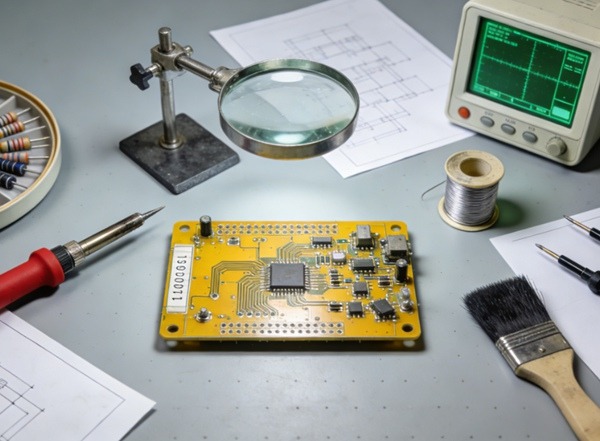
Conclusion
Choosing the right PCB assembly manufacturer is a strategic decision, not a purchasing shortcut.
By evaluating capabilities, quality systems, industry experience, testing, cost transparency, and long-term support, companies can avoid costly mistakes and ensure product success.
By partnering with TOPFAST, a professional PCB manufacturer, customers gain a reliable PCBA partner capable of supporting every stage of the product lifecycle—from prototype to production—with confidence and consistency.
 EN
EN  PT
PT  AR
AR  DE
DE  FR
FR  ES
ES