PCB assembly quality does not end after soldering. Testing and inspection are essential to ensure reliability, performance, and compliance with design requirements.
In this guide, TOPFAST, a professional PCB manufacturer, explains the most common PCBA testing methods, their working principles, and when each method should be applied.
Table of Contents
Why PCBA Testing Is Important
PCBA testing helps:
- Detect assembly defects early
- Reduce field failures
- Improve product reliability
- Lower warranty and repair costs
Testing is especially critical for automotive, medical, industrial, and telecom electronics.
Common PCBA Defects Detected by Testing
- Solder bridges
- Cold solder joints
- Missing or misplaced components
- Polarity errors
- Short circuits and open circuits
Proper testing ensures these issues are identified before shipment.
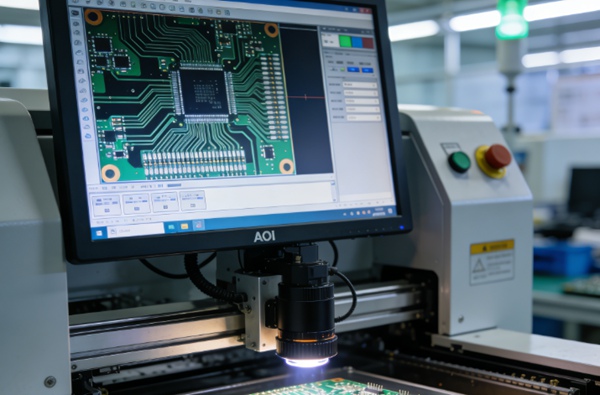
AOI (Automated Optical Inspection)
What Is AOI Testing?
AOI uses high-resolution cameras to inspect solder joints and component placement.
What AOI Detects:
- Component misalignment
- Missing components
- Solder bridging
- Insufficient or excessive solder
Advantages of AOI:
- Fast and automated
- Ideal for SMT assembly
- High repeatability
AOI is typically used after reflow soldering.
Related process:
PCB Assembly Process Explained
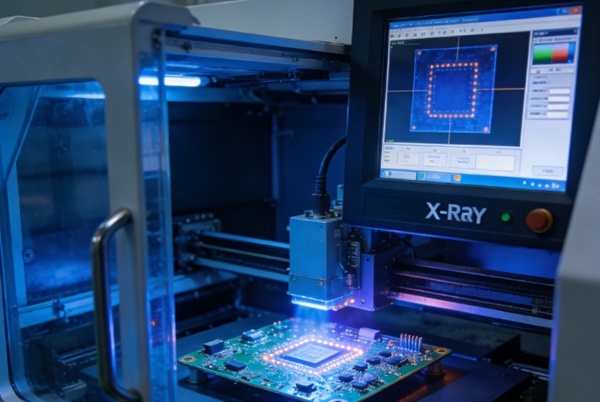
X-Ray Inspection
What Is X-Ray Inspection?
X-ray inspection allows inspection of hidden solder joints, especially for:
- BGA
- QFN
- LGA
- CSP packages
What X-Ray Detects:
- Voids in solder joints
- Head-in-pillow defects
- Hidden shorts or opens
X-ray inspection is essential for high-density SMT designs.
ICT (In-Circuit Testing)
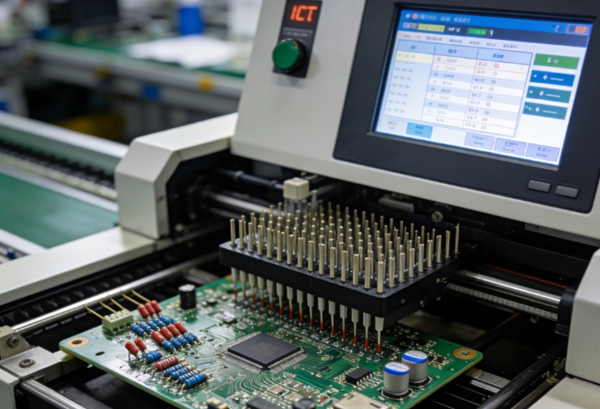
What Is ICT?
In-Circuit Testing (ICT) checks individual components and electrical connections on a powered-off PCB.
ICT Can Detect:
- Shorts and opens
- Incorrect component values
- Orientation errors
ICT Limitations:
- Requires test points
- Higher setup cost
ICT is commonly used in medium to high-volume production.
FCT (Functional Circuit Testing)
What Is Functional Testing?
Functional Circuit Testing (FCT) verifies whether the assembled PCB functions as intended in real operating conditions.
FCT Includes:
- Power-on testing
- Signal and communication tests
- Software or firmware verification
FCT provides the highest level of confidence in product performance.
Visual Inspection
Visual inspection is usually performed:
- Before and after soldering
- During final quality control
Although manual, it remains useful for detecting obvious defects.
Choosing the Right PCBA Testing Method
| Testing Method | Best For |
|---|---|
| AOI | SMT solder quality |
| X-Ray | Hidden joints (BGA) |
| ICT | Electrical integrity |
| FCT | Overall functionality |
Most projects utilize multiple testing methods to achieve optimal results.
PCBA Testing Cost Considerations
Testing cost depends on:
- PCB complexity
- Testing method used
- Volume of production
- Fixture and setup requirements
👉 Related guide:
PCB Assembly Cost Explained
PCBA Testing in Turnkey PCB Assembly
In turnkey PCB assembly, testing is integrated into the production process.
Related article:
What Is Turnkey PCB Assembly and How It Works
TOPFAST provides flexible testing options based on customer requirements.
Industries That Require Strict PCBA Testing
- Medical devices
- Automotive electronics
- Aerospace
- Industrial automation
- Telecommunications
In these industries, testing is not optional—it is mandatory.
Why TOPFAST PCBA Testing Services?
As a professional PCB manufacturer, TOPFAST offers:
- AOI and X-ray inspection
- ICT and functional testing
- Experienced QC engineers
- Documented test reports
- Reliable quality assurance
Our testing processes ensure consistent quality from prototype to mass production.
PCBA Testing FAQ
A: AOI is important but not sufficient alone. Functional testing is recommended.
A: X-ray is mainly required for BGA and fine-pitch components.
A: AOI + functional testing is commonly used.
A: Minimal impact when integrated into the assembly process.
 EN
EN  PT
PT  AR
AR  DE
DE  FR
FR  ES
ES