عندما يطلب المهندسون عرض أسعار لوحات الدوائر المطبوعة (PCB)، قد يختلف السعر النهائي أحيانًا اختلافًا كبيرًا عما كانوا يتوقعونه في البداية.
قد تختلف تكاليف تصنيع لوحين لهما أبعاد متشابهة اختلافًا تامًّا، وذلك بسبب اختلاف هياكلهما الداخلية والمواد المستخدمة فيهما والتفاوتات المسموح بها ومتطلبات الإنتاج.
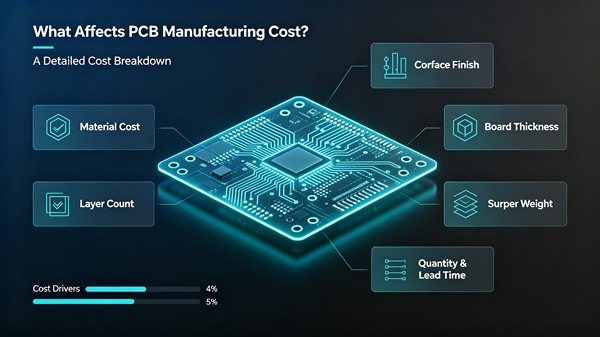
عادةً ما تشمل العوامل الرئيسية المؤثرة في التكلفة ما يلي:
- عدد الطبقات
- أبعاد اللوحة
- اختيار المواد
- وزن النحاس
- عدد الثقوب ومتطلبات الحفر
- الحد الأدنى للمسافة بين الخطوط والمسافات
- تشطيب السطح
- سمك PCB
- عمليات التصنيع الخاصة
- كمية الإنتاج
إن فهم هذه العوامل يسهّل مقارنة عروض الأسعار وتحديد المجالات التي يمكن فيها خفض التكلفة فعليًّا.
جدول المحتويات
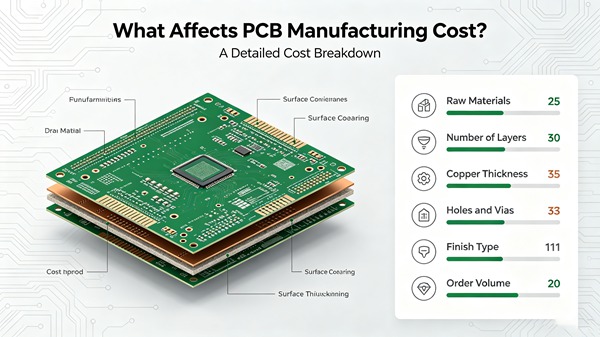
يُعد عدد الطبقات أحد أهم العوامل المؤثرة في التكلفة
عادةً ما تؤدي زيادة عدد طبقات لوحات الدوائر المطبوعة (PCB) إلى ارتفاع تكلفة التصنيع.
تتميز لوحات الدوائر المطبوعة ثنائية الطبقات بتسلسل تصنيع بسيط نسبيًا. أما لوحات الدوائر المطبوعة متعددة الطبقات فتتطلب ما يلي بالإضافة إلى ذلك:
- التصوير الداخلي للطبقات
- التصفيح
- الحفر
- التصفيح
- الفحص
- التحكم في التسجيل
على سبيل المثال، لا يقتصر الانتقال من لوحة ذات 4 طبقات إلى لوحة ذات 8 طبقات على مجرد إضافة أربع طبقات نحاسية. بل إن خطوات التصفيح والمعالجة الإضافية تزيد أيضًا من وقت التصنيع وتعقيد عملية الإنتاج.
مواضيع ذات صلة: تصنيع لوحات الدوائر المطبوعة متعددة الطبقات
ومع ذلك، لا ينبغي اعتبار تقليل عدد الطبقات إجراءً تلقائيًّا لتوفير التكاليف.
قد يتطلب عدد الطبقات الأقل ما يلي:
- مسارات أكثر تعقيدًا
- أبعاد أكبر للوحة
- المزيد من الثقوب
- مخاطر إضافية تهدد سلامة الإشارة
الهدف الصحيح هو أقل عدد عملي للطبقات يفي بالمتطلبات الكهربائية والميكانيكية.
تؤثر مواد ثنائي الفينيل متعدد الكلور (PCB) تأثيرًا مباشرًا على التكلفة
يُعد FR-4 القياسي عمومًا أكثر اقتصادية من المواد المتخصصة.
اعتمادًا على التطبيق، قد يحتاج المهندسون إلى:
- FR-4 القياسي
- FR-4 عالي درجة حرارة الزجاج (Tg)
- الرقائق ذات الخسارة المنخفضة
- المواد القائمة على مادة PTFE
- مواد عالية الترددات
- الركائز ذات النواة المعدنية
يؤثر اختيار المواد على كل من سعر المواد الخام وعملية التصنيع.
فيما يتعلق بتصميمات السرعات العالية أو تصميمات الترددات اللاسلكية (RF)، فإن اختيار مادة رقائقية أرخص ثمناً لمجرد خفض تكلفة لوحات الدوائر المطبوعة (PCB) قد يؤدي إلى مشاكل تتعلق بما يلي:
- الخسارة العازلة
- ثبات المعاوقة
- الأداء الحراري
- سلامة الإشارة
مواضيع ذات صلة: اختيار مواد لوحات الدوائر المطبوعة عالية التردد
لذلك، ينبغي اختيار المادة وفقًا للمتطلبات الكهربائية والبيئية الفعلية، وليس بناءً على السعر وحده.
يؤثر حجم اللوحة واستخدام الألواح على كفاءة التصنيع
تستهلك الألواح الأكبر حجماً كميات أكبر من مادة اللامينيت وتشغل مساحة إنتاج أكبر.
ومع ذلك، فإن حجم اللوحة ليس العامل الوحيد الذي يجب أخذه في الاعتبار.
عادةً ما يقوم المصنعون بترتيب عدة لوحات دوائر مطبوعة (PCB) على لوحة إنتاج أكبر حجمًا.
يمكن أن يؤدي الاستخدام الأفضل للوحات إلى تقليل:
- هدر المواد
- التكاليف العامة للإنتاج
- التكلفة لكل لوحة
ولهذا السبب، قد يكون لتغيير بسيط في أبعاد اللوحة أحيانًا تأثير كبير بشكل مدهش على تكلفة الوحدة، عندما يتيح ذلك استيعاب عدد أكبر من اللوحات بكفاءة على لوحة الإنتاج.
مواضيع ذات صلة: إرشادات تجميع لوحات الدوائر المطبوعة (PCB)
تغيرات وزن النحاس تؤثر على متطلبات التصنيع
غالبًا ما تستخدم التصميمات القياسية للوحات الدوائر المطبوعة (PCB) نحاسًا بسمك 1 أونصة، لكن بعض التطبيقات تتطلب:
- 2 أونصة نحاس
- 3 أونصات من النحاس
- 4 أونصات من النحاس
- الهياكل النحاسية الثقيلة
كلما زادت سماكة النحاس، زادت متطلبات المواد والتصنيع.
قد يتطلب النحاس الثقيل أيضًا إجراء تعديلات على:
- النقش
- التصفيح
- هندسة التتبع
- الإدارة الحرارية
أما في مجال إلكترونيات الطاقة، فقد تكون المتطلبات الكهربائية والحرارية مبرراً للتكلفة الإضافية.
مواضيع ذات صلة: تصميم لوحات الدوائر المطبوعة الإلكترونية للسيارات الكهربائية
حجم المثقاب وعدد الثقوب عاملان مهمان
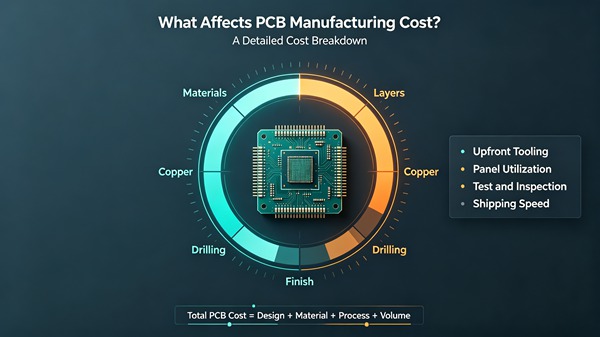
يُعد الحفر عاملاً آخر مهمًا في تكاليف التصنيع.
عادةً ما يكون تصنيع اللوحة التي تحتوي على مئات الثقوب المارة القياسية أسهل من تصنيع اللوحة التي تتطلب أعدادًا كبيرة من الثقوب الصغيرة جدًّا.
قد ترتفع التكلفة عندما يتطلب التصميم ما يلي:
- مثاقب ميكانيكية صغيرة جدًا
- الليزر الميكروفيزيائي
- الشقوق العمياء
- الأسلاك المدفونة
- الحفر العكسي
- ثقوب ذات نسبة أبعاد عالية
كما يؤثر عدد الثقوب على مدة الحفر ومعدل الإنتاج.
تزيد هياكل مؤشر التنمية البشرية (HDI) من التعقيد
يمكن أن تؤدي تقنية HDI إلى زيادة تكلفة تصنيع لوحات الدوائر المطبوعة (PCB) بشكل كبير، لأنها قد تتطلب:
- الحفر بالليزر
- التصفيح المتسلسل
- ملء الميكروفيا
- طلاء إضافي
- تشديد الرقابة على التسجيل
لذلك، ينبغي استخدام مؤشر التنمية البشرية (HDI) في الحالات التي يوفر فيها فائدة حقيقية في التصميم، مثل:
- حجم لوحة أصغر
- توجيه دوائر BGA ذات المسافات الدقيقة
- كثافة توجيه أعلى
- تقليل عدد الطبقات
مواضيع ذات صلة: تصنيع ثنائي الفينيل متعدد الكلور HDI
قد يؤدي استخدام تقنية HDI لمجرد أن التصميم يدعمها إلى زيادة تكلفة التصنيع دون داعٍ.
يؤثر تشطيب السطح على سعر لوحات الدوائر المطبوعة
تشمل التشطيبات السطح الشائعة ما يلي:
- HASL
- HASL خالية من الرصاص
- ENIG
- غمر الفضة
- قصدير الغمر
- OSP
تتجاوز تكلفة تقنية ENIG عمومًا تكلفة تقنية HASL التقليدية بسبب خطوات المعالجة الإضافية ومتطلبات المواد الخاصة بها.
ومع ذلك، ينبغي اختيار نوع تشطيب السطح وفقًا لمتطلبات التجميع والموثوقية.
على سبيل المثال، قد تستفيد المكونات ذات المسافات الدقيقة وبعض تطبيقات التلامس من تشطيب سطحي أكثر استواءً.
اختيار التشطيب الأرخص ليس بالضرورة القرار الأكثر اقتصادية إذا كان سيؤدي إلى مشاكل في التجميع لاحقًا.
متطلبات سماكة لوحات الدوائر المطبوعة (PCB) والتفاوت المسموح به
عادةً ما تكون سماكات الألواح القياسية أكثر اقتصادية من المواصفات غير المعتادة.
قد تنشأ تكاليف إضافية عن:
- سمك غير قياسي
- تفاوت ضيق في السماكة
- سمك عازل كهربائي خاص
- متطلبات المعاوقة المعقدة
إذا كان التصميم لا يتطلب سماكة غير معتادة، فإن استخدام بنية مادية قياسية يمكن أن يبسط عملية الإنتاج.
تؤدي قواعد التصميم الصارمة إلى ارتفاع تكلفة التصنيع
يصبح التصنيع أكثر صعوبة عندما يقترب التصميم من الحدود القصوى لعملية المورد.
ومن الأمثلة على ذلك:
- مسارات ضيقة للغاية
- مسافة صغيرة جدًا
- حلقات صغيرة ذات شكل حلقي
- ثقوب ميكانيكية صغيرة
- تفاوتات التسجيل الدقيقة
قد تزداد هذه المتطلبات:
- صعوبة الإنتاج
- مخاطر الخردة
- متطلبات التفتيش
- مدة التصنيع
ولهذا السبب، ينبغي أخذ التصميم الملائم للتصنيع (DFM) في الاعتبار قبل إقرار التصميم للبدء في الإنتاج.
يمكن أن تؤثر المعاوقة المتحكم فيها على تكلفة لوحات الدوائر المطبوعة
المقاومة المُتحكَّم فيها بحد ذاتها لا تجعل بالضرورة لوح الدوائر المطبوعة باهظ الثمن.
يعتمد تأثير التكلفة على مدى تأثير متطلبات المعاوقة على عملية البناء.
على سبيل المثال، قد يحتاج المهندسون إلى تحديد ما يلي:
- سمك عازل كهربائي محدد
- سمك النحاس المحدد
- عرض المسار الدقيق
- اللامينيت المتخصص
كما أن التفاوتات الأكثر صرامة في قيم المعاوقة قد تتطلب إجراء اختبارات إضافية ومراقبة إضافية للعمليات.
تغيرات حجم الإنتاج تؤثر على تكلفة الوحدة
يصبح تصنيع لوحات الدوائر المطبوعة (PCB) عمومًا أكثر اقتصادية مع زيادة حجم الإنتاج.
قد يترتب على طلب نموذج أولي صغير تكاليف مرتفعة نسبيًا بسبب:
- التحضير الهندسي
- الأدوات
- الإعداد
- مناولة المواد
يتم توزيع هذه التكاليف على عدد أكبر من اللوحات خلال عمليات الإنتاج الكبيرة.
ومع ذلك، فإن زيادة الكمية لمجرد الحصول على سعر وحدة أقل لا يُعد دائمًا خيارًا ماليًا حكيماً.
بالنسبة للمشاريع في مراحلها الأولى، غالبًا ما يكون من الأفضل تصنيع كمية أصغر، والتحقق من صحة التصميم، ثم زيادة الحجم بعد استقرار التصميم.
قد تؤدي متطلبات الاختبار إلى زيادة التكلفة
يختلف الاختبار الكهربائي الأساسي للوحات الدوائر المطبوعة (PCB) عن اختبارات التأهيل المتقدمة للتأكد من الموثوقية.
قد تشمل الفحوصات الإضافية ما يلي:
- اختبار المسبار المتحرك
- الفحص البصري الآلي
- الفحص بالأشعة السينية
- تحليل المقطع العرضي
- التدوير الحراري
- اختبار المعاوقة
يعتمد مستوى الفحص المناسب على الاستخدام.
لا تتطلب لوحة النموذج الأولي البسيطة بالضرورة نفس عملية التأهيل التي تتطلبها لوحة التحكم في السيارات.
كيفية خفض تكلفة تصنيع لوحات الدوائر المطبوعة دون المساس بالجودة
1. استخدام المواد القياسية حيثما أمكن ذلك
إذا كانت مادة FR-4 القياسية تفي بالمتطلبات الكهربائية والحرارية، فقد لا يكون هناك داعٍ كبير لتحديد مادة أكثر تكلفة.
2. تجنب زيادة عدد الطبقات دون داعٍ
راجع ترتيب الطبقات ومسار التوصيلات قبل زيادة عدد الطبقات.
3. استخدام سماكات الألواح القياسية
عادةً ما تكون التصاميم القياسية أسهل في التصنيع بالنسبة للمصنعين.
4. تجنب قواعد التصميم المتطرفة
لا تقم بالتصميم على نحو يقترب دون داعٍ من الحد الأدنى للقدرة التصنيعية.
5. تحسين عملية تقسيم الألواح
ينبغي مراجعة أبعاد الألواح جنبًا إلى جنب مع معدل استغلال الألواح في الإنتاج.
6. اختيار تشطيب السطح وفقًا للاستخدام
لا تختر تلقائيًا التشطيب الأغلى ثمناً.
7. ضع في اعتبارك التكلفة الإجمالية بدلاً من سعر الوحدة
أرخص عرض سعر للوحات الدوائر المطبوعة (PCB) لا يعني بالضرورة أن التكلفة الإجمالية ستكون الأقل.
قد يؤدي استخدام لوح ذي جودة رديئة إلى زيادة:
- إعادة تصنيع التجميع
- وقت تصحيح الأخطاء
- خردة
- تأخيرات في تسليم المنتجات
دليل إرشادي: مراجعة عرض أسعار لوحات الدوائر المطبوعة (PCB)
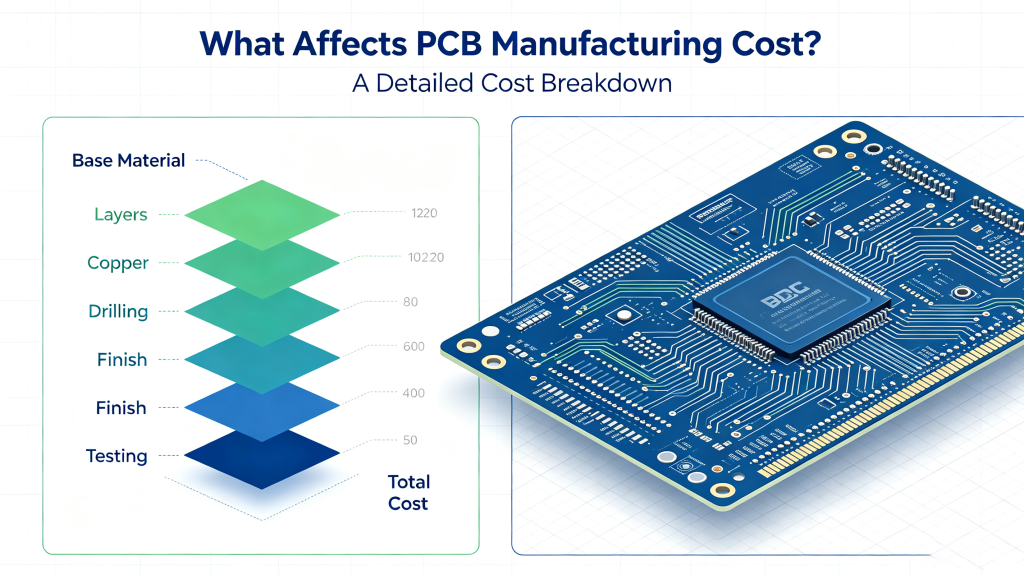
عند مقارنة عروض أسعار لوحات الدوائر المطبوعة (PCB)، يرجى التحقق من البنود التالية.
الخطوة 1: تأكيد المواصفات الأساسية
تحقق من:
- عدد الطبقات
- أبعاد اللوحة
- السُمك
- وزن النحاس
- المواد
الخطوة 2: التحقق من العمليات الخاصة
ابحث عن:
- الشقوق العمياء
- الأسلاك المدفونة
- الميكروفيات
- الحفر العكسي
- النحاس الثقيل
- معاوقة محكومة
الخطوة 3: مقارنة تشطيب السطح
تأكد من أن جميع الموردين يقدمون عروض أسعار لنفس نوع التشطيب.
الخطوة 4: التحقق من متطلبات الاختبار
يرجى التأكد مما إذا كان عرض الأسعار يشمل ما يلي:
- الاختبارات الكهربائية
- الهيئة العربية للتصنيع
- اختبار المعاوقة
- عمليات التفتيش الأخرى المطلوبة
الخطوة 5: مقارنة مدة التسليم
قد لا يكون السعر الأقل مفيدًا إذا تسبب في تأخيرات غير مقبولة.
الخطوة 6: مقارنة التكلفة الإجمالية
تأمل ما يلي:
سعر لوحة الدوائر المطبوعة + تكاليف الأدوات + الاختبار + الشحن + إعادة العمل المحتملة
بدلاً من مقارنة سعر الوحدة من اللوح وحده.
مثال على تكلفة لوحات الدوائر المطبوعة (PCB)
لنفترض وجود لوحين لهما نفس الأبعاد الخارجية.
اللوحة أ
- 4 طبقات
- FR-4 القياسي
- 1 أونصة من النحاس
- الثقوب المارة القياسية
- HASL
- التفاوتات القياسية
اللوحة ب
- 8 طبقات
- مادة ذات درجة حرارة زجاجية عالية
- 2 أونصة نحاس
- الميكروفيات
- معاوقة محكومة
- ENIG
- تفاوتات أبعاد ضيقة
على الرغم من أن اللوحات قد تبدو متشابهة من الخارج، إلا أن اللوحة «ب» تتطلب قدرًا أكبر بكثير من المعالجة ومراقبة أكثر صرامة للعمليات.
وهذا يوضح السبب في أن لا يمكن تقدير سعر اللوحة المطبوعة (PCB) بدقة بناءً على حجم اللوحة وحده.
الأسئلة الشائعة
ج: يُعد عدد الطبقات، والمواد المستخدمة، وحجم اللوحة، ووزن النحاس، ومدى تعقيد التصنيع، وكمية الإنتاج من بين أهم العوامل.
ج: بشكل عام نعم، على الرغم من أن الطبقات الإضافية قد تُسهّل أحيانًا عملية التوجيه وتقلل من متطلبات التصنيع الأخرى.
ج: عادةً، نعم. تتطلب تقنية ENIG عمليات ومواد إضافية لتشطيب الأسطح.
ج: ابدأ بمراجعة عدد الطبقات، واختيار المواد، وأبعاد اللوحة، واستغلال مساحة اللوحة، ومتطلبات الحفر، والقيود غير الضرورية المتعلقة بالتفاوتات المسموح بها.
ج: ليس بالضرورة. فقد تؤدي مشاكل الجودة وتأخيرات التسليم ومشاكل التجميع إلى أن يصبح السعر الأولي المنخفض أكثر تكلفةً بشكل عام.
الخاتمة
إن التفاعل بين التصميم والمواد وعمليات التصنيع ومتطلبات الاختبار وحجم الإنتاج هو ما يحدد تكلفة تصنيع لوحات الدوائر المطبوعة (PCB).
إن الطريقة الأكثر فعالية لخفض التكلفة لا تكمن فقط في العثور على أقل عرض سعر. بل ينبغي على المهندسين تحديد أوجه التعقيد غير الضرورية وتحسين التصميم قبل بدء الإنتاج.
تتمثل إحدى الاستراتيجيات العملية لخفض التكاليف في:
- استخدم المواد المناسبة
- تحسين عدد الطبقات
- تبسيط ميزات التصنيع غير الضرورية
- تحسين الاستفادة من الألواح
- استخدم تفاوتات واقعية
- مطابقة متطلبات الاختبار مع التطبيق
يمكن لهذا النهج أن يقلل من تكلفة تصنيع لوحات الدوائر المطبوعة (PCB) مع الحفاظ على المتطلبات الكهربائية والميكانيكية ومتطلبات الموثوقية للمنتج النهائي.
 AR
AR  EN
EN  PT
PT  DE
DE  FR
FR  ES
ES